Handyman Electrical Services
Light fittings, sockets, fans and small electrical jobs carried out by qualified electricians. Safe, certified and tidy work across Middlesbrough.
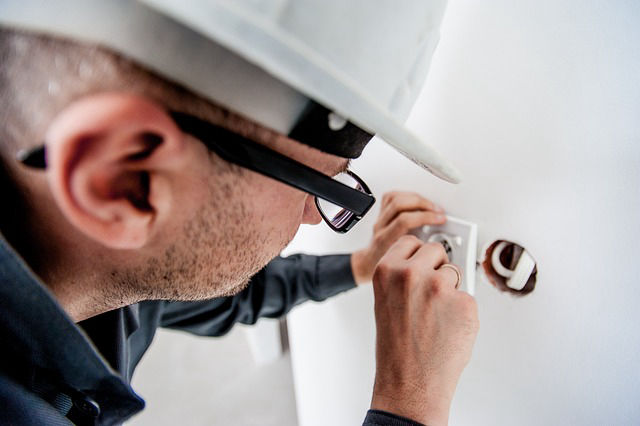
Electrical Work, Done Safely
Electrical work in domestic homes is regulated for very good reasons, and we are completely upfront about what we are and are not qualified to do. Smaller, non-notifiable electrical jobs — replacing a like-for-like ceiling light, swapping a socket front, fitting an extractor fan in an existing dedicated circuit — are work that a competent handyman can carry out safely. Larger, notifiable work — adding new circuits, work in bathrooms or kitchens that requires Part P notification, full re-wires — must be carried out by a qualified registered electrician, and for those jobs we work with a small group of registered local electricians whose work and prices we trust.
We pitch our service so that customers can get the smaller electrical jobs done quickly and at a sensible price, without having to go to the expense and waiting time of booking a full electrician for a fifteen-minute job. For more complex work, we will tell you straight what is needed and put you in touch with the right person. The result is honest, safe electrical work without any of the cowboy-style corner-cutting that makes the news.

Electrical Jobs We Carry Out
Below is a list of the more common electrical handyman jobs we tackle. If you are not sure whether your job falls in this category or needs a registered electrician, just describe it to us by email and we will tell you honestly.
- Like-for-like light fitting replacement (pendants, downlights, batten holders)
- Decorative ceiling pendant and chandelier fitting
- Wall light fitting where existing wiring is in place
- Outside security and patio light fitting
- Replacement socket fronts and switch fronts
- Replacement of failed extractor fans (in bathrooms, kitchens and toilets, on existing circuits)
- Cooker hood fitting on existing supply
- Smoke alarm and carbon monoxide alarm replacement
- Doorbell wiring and chime replacement
- PAT testing for landlords and small businesses
- Loft light fitting on existing circuit
- Garage and shed light fitting on existing supply
PAT Testing and Landlord Certificates
PAT testing — Portable Appliance Testing — is the formal inspection of plug-in appliances to verify they are electrically safe. It is not a legal requirement for a domestic homeowner, but it is a standard requirement for landlords, holiday-let owners and many small businesses. We carry out PAT testing across Middlesbrough at competitive rates, with proper labelled tags applied to passing items and a dated certificate for your records. Most rented two- or three-bedroom flats can be PAT tested in under an hour.
When to Call a Registered Electrician
There are clear lines that we will not cross, and we are upfront about them. New circuits being run from the consumer unit need a registered electrician for legal Part P notification. Rewiring of full rooms or houses is not handyman work. Anything involving the consumer unit itself — replacement, additional RCDs, MCB changes — is registered electrician territory. Working in zones one and two of bathrooms (close to the bath or shower) requires specific qualifications. We will always tell you when a job requires a registered electrician, and we will help you find one if needed.

Quotes and Bookings
Small electrical jobs are charged at our standard hourly rate with materials at trade cost. There is no callout fee for jobs we go on to carry out. Most light-fitting and socket-front jobs we can quote by email if you tell us roughly what is involved and ideally send a photo of the existing fitting. Get in touch and we will normally come back the same day.
Frequently Asked Questions
We work with registered electricians for all notifiable Part P work. For the smaller, non-notifiable handyman electrical jobs we offer, registration is not legally required.
Like-for-like replacement of an existing fitting in a bathroom may be acceptable depending on the zone and original installation. We will assess and refer to a registered electrician if needed.
PAT testing is typically £1.50 to £3 per item, with a small minimum charge for short visits.
No — new circuits require a registered Part P electrician. We will recommend one.